Short answer: No. Doing so can turn a minor issue into a criminal offence.
Long answer (the important one): it depends on who stopped you, what stage the interaction is at, and how you leave. Because a Transport Revenue Inspector isn’t just a ticket checker. In UK law, they can operate in a space somewhere between a customer-service role and an enforcement officer, and that grey area is exactly where people get into serious trouble.
Who are revenue inspectors?
On trains and stations across the UK (TfL, rail companies, tram networks), a Revenue Protection Inspector (RPI) or Revenue Officer is responsible for enforcing ticketing rules and preventing fare evasion.
They are not police officers, but they do have legal powers under railway legislation. These powers come primarily from the Railway Byelaws (2005) and the Regulation of Railways Act 1889. These two laws matter a lot more than people realise.
What happens when they stop you
Most encounters with a Revenue Inspector follow a familiar pattern, even if it doesn’t feel like it at the time.
It usually starts with a simple request:
“Can I see your ticket please?”
At this stage, it’s completely routine. A normal ticket check and nothing more.
The situation changes when there’s a problem with the ticket. That might be tapping the wrong card, forgetting to tap out, not having your railcard with you, travelling on a child ticket as an adult, being in the wrong zone, or using an expired ticket.
Once the inspector believes a fare irregularity has occurred, the interaction quietly moves beyond a basic check. You may not notice the shift, but legally it is no longer just a ticket inspection, it has become the start of an investigation.
The critical moment most people misunderstand
Once an inspector believes a ticketing offence may have occurred, the tone of the interaction changes. You’ll usually hear something like:
“I need to take your details.”
That isn’t a routine request anymore. At this point the inspector is formally investigating a suspected offence under the Railway Byelaws or the Regulation of Railways Act.
And this is the moment where walking away becomes risky, because you are no longer just finishing a ticket check, you are leaving during an investigation.
Can you simply leave?
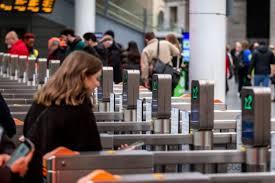
If they are just checking tickets, then yes, you can move on after the check.
If they are asking questions about an offence: no.
If you deliberately leave to avoid the process, you may commit obstruction of a railway official (Railway Byelaw 24). This is a prosecutable offence. You haven’t avoided a problem. You’ve now created a new one.
Why walking away makes things worse
Here’s what many passengers don’t realise: most fare cases don’t actually begin as criminal matters. They are usually handled administratively, with the rail company simply trying to resolve a ticketing issue and recover the unpaid fare.
Walking away changes that.
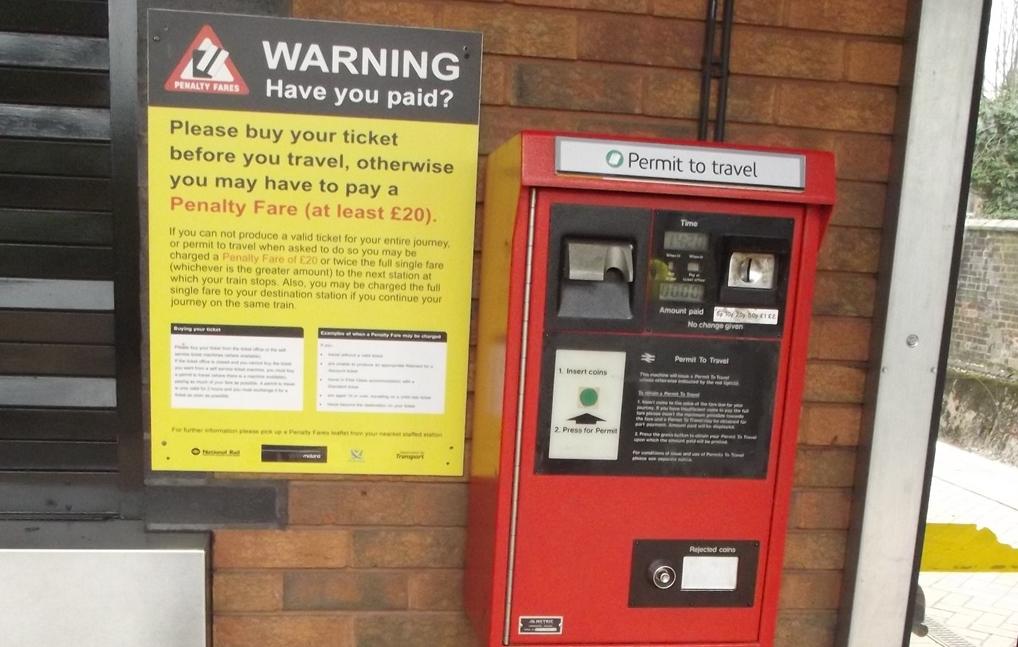
The moment you leave to avoid the inspection process, the situation can shift from a routine ticket problem to an enforcement case. Instead of a penalty fare, warning letter, or settlement, you now risk a court summons and possible criminal record.
From the rail company’s perspective, leaving the encounter looks less like a mistake and more like an attempt to avoid paying altogether. And that matters, because proving intent is exactly what prosecutors need to bring a fare evasion case.
“But they can’t detain me, right?”
This is probably the most common thing people say after an encounter at the barrier.
It’s true that Revenue Inspectors are not police officers. They cannot arrest you and they do not have general detention powers. You are not being “held” in the way you would be by the police.
But that does not mean you can simply ignore the situation and walk off without consequence.
When an inspector suspects a ticketing offence, they are legally entitled to ask you for your name and address so they can report the matter. If you refuse to cooperate, they can contact the British Transport Police, record your description, rely on CCTV footage, and provide witness statements about what happened. They can also report that you obstructed the investigation.
The important part is what happens next.
If police officers attend and you still refuse to cooperate, the matter changes immediately. It stops being a railway ticket issue and becomes a police matter. At that point you are dealing with officers who do have detention powers, and the situation can escalate far beyond the original fare problem.
In other words, while an inspector cannot arrest you themselves, refusing to engage rarely ends the encounter, it usually just brings someone who can.
What if you just ignore them and keep walking?
This is where many cases go wrong. People think, “They won’t chase me.”
Sometimes they won’t. But stations are covered in CCTV, and inspectors frequently work in teams to find you.
The rail company can still easily identify you from Oyster/contactless usage. They can also obtain bank card information, review entry/exit barriers, and use travel history.
Weeks later, a letter arrives in the post, as a result of the Revenue Inspectors tracking you down.
Except now it’s not a penalty fare. It’s a Notice of Intended Prosecution.
The legal difference: Fare issue vs fare evasion
This is crucial. A simple ticket problem and fare evasion are not the same thing in law.
Most ticket issues fall under the Railway Byelaws. Here, the railway only needs to show you travelled without a valid ticket at that moment. Intent doesn’t matter. These cases are usually dealt with by a penalty fare, warning, or settlement.
Fare evasion is different.
Under the Regulation of Railways Act 1889, the court is not really interested in whether you had the right ticket. The key question becomes:
Did you intentionally avoid paying?
Your behaviour is what answers that.
Walking away from a Revenue Inspector can be used as evidence that you were trying to avoid the inspection process rather than resolve a mistake. In other words, the situation moves from a ticketing issue to an allegation of deliberate avoidance.
That shift matters because the first is administrative. The second is criminal. And once intent is alleged, prosecution becomes far more likely.
What you should do instead
It may feel instinctive to argue your case immediately, but the better approach is actually the opposite: stay calm and cooperate.
Provide your correct details, answer basic questions, and avoid trying to debate the situation at the barrier. This isn’t the place to defend yourself, and attempting to explain everything on the spot often makes matters worse. Guessing, panicking, or inventing explanations can easily be misunderstood and later relied upon as evidence.
The important thing to understand is that the station encounter is not where the case is decided. The real opportunity to resolve it comes later, when you receive correspondence from the rail company.
Many passengers don’t realise rail operators frequently prefer settlement over court action, but that option is far more likely to be offered when the passenger has cooperated during the initial inspection.
What not to do
Certain reactions dramatically increase the chance of a prosecution. In many cases, it isn’t the original ticket issue that causes court action, it’s how the passenger behaves afterwards.
Situations commonly escalate when a passenger:
- walks away during the interaction
- gives a false name or incorrect address
- refuses to provide details
- becomes argumentative or confrontational
- makes comments suggesting deliberate non-payment (for example, “I never pay anyway”)
- ignores letters or follow-up correspondence from the rail company
Once inspectors believe a passenger is avoiding responsibility rather than resolving a mistake, the focus shifts. The matter moves away from simple revenue recovery and toward legal enforcement, and that is when prosecution becomes far more likely.
Why people get prosecuted
It’s rarely about the £3.40 fare.
Rail companies understand that passengers make genuine mistakes every day. Someone taps the wrong card, rushes for a train, or misunderstands a ticket restriction. On its own, that usually isn’t what leads to a court case.
What matters far more is behaviour.
Prosecutions are generally brought to deter deliberate fare evasion, not to punish ordinary errors. When a passenger walks away, refuses to engage, or appears to be avoiding the process, the situation begins to look intentional rather than accidental.
From the operator’s perspective, that changes everything. The issue is no longer recovering a small unpaid fare, it becomes protecting the integrity of the system. Walking away in particular can be interpreted as an attempt to defeat enforcement, and once that impression is formed, the company is far more likely to escalate the matter.
At that point, they feel they have little choice but to act.
A very important reality
Many passengers believe:
“If I leave, that’s the end of it.”
In practice, walking away is often the start of the case.
And when a prosecution begins, the rail company no longer needs to negotiate, they only need to prove the offence occurred.